Pigmentation Skin Care
Explore The Functional Skin for pigmentation
-
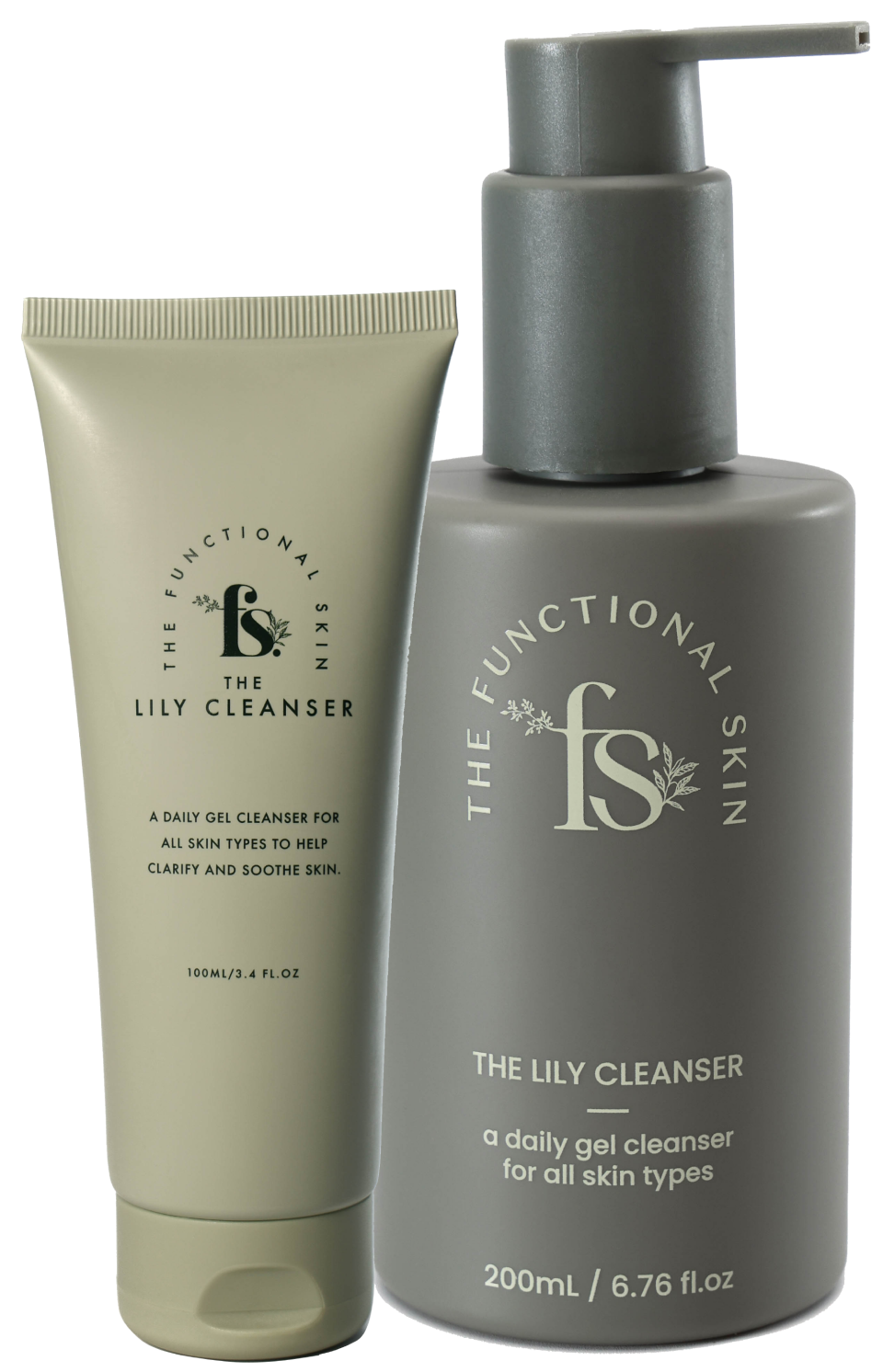
The Sunny Serum
Regular price $71.00Regular priceUnit price per -
 Sale
SaleRevive Bundle
Regular price $205.00Regular priceUnit price per$219.00Sale price $205.00Sale -
The Sunny Serum Tester
Regular price $21.00Regular priceUnit price per$69.00Sale price $21.00Sale


-
The Sunny Serum
Regular price $71.00Regular priceUnit price per -
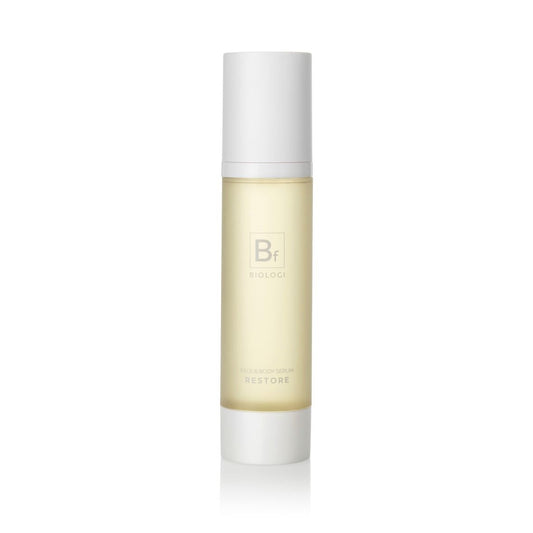
Bf – Restore Face & Body Serum
Regular price From $15.00Regular priceUnit price per -
Calm Gentle Retinal
Regular price $162.00Regular priceUnit price per -
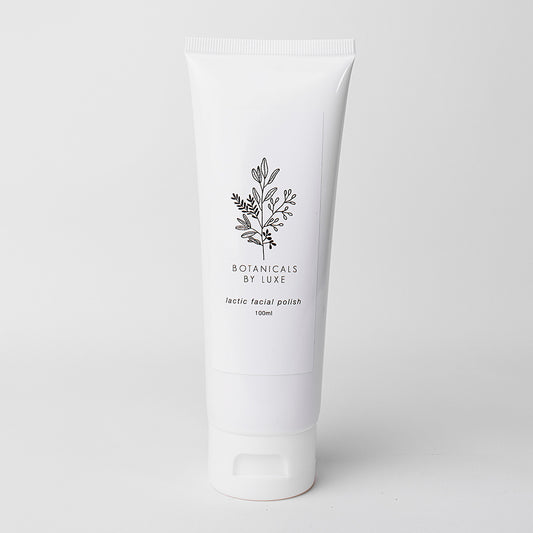
Lactic Facial Polish
Regular price $58.00Regular priceUnit price per -
Correct Preventative Retinal
Regular price $176.00Regular priceUnit price per -
 Sold out
 -
Lactic Cleanser
Regular price $52.00Regular priceUnit price per -
Moringa All-beauty Crème
Regular price $58.00Regular priceUnit price per -
Bqk Radiance Face Serum
Regular price $141.00Regular priceUnit price per -
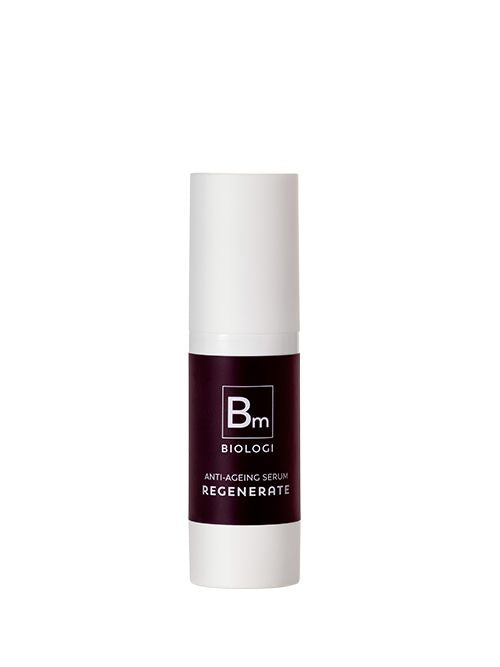
Bm Regenerate Anti-Ageing Serum
Regular price $128.00Regular priceUnit price per -
Catalyst AC-11
Regular price $253.00Regular priceUnit price per -
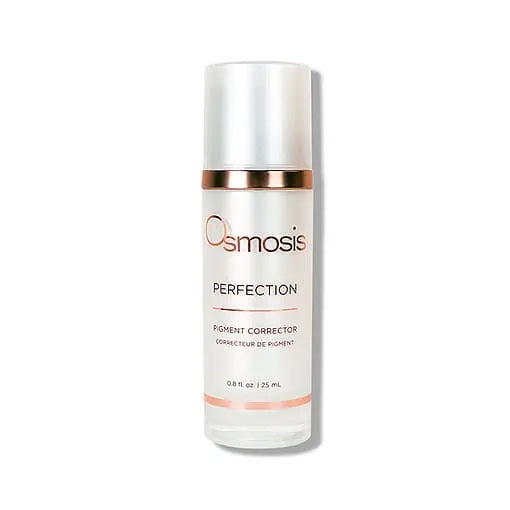
Perfection - Pigment Corrector
Regular price $176.00Regular priceUnit price per -
Perfecting Powder
Regular price $85.00Regular priceUnit price per









Common triggers
Skin pigmentation can be influenced by a range of internal and external factors, including:
- UV exposure, which stimulates excess melanin production and is one of the most significant triggers.
- Post-inflammatory pigmentation following breakouts, skin trauma, or irritation.
- Hormonal changes, including those related to pregnancy, contraception, or menopause.
- Oxidative stress caused by environmental pollution and free radical damage.
- A compromised skin barrier, which makes the skin more vulnerable to pigmentation triggers.
- Nutritional deficiencies, particularly in antioxidants that help protect against UV-induced damage.
- Using products that cause irritation or inflammation, which can worsen pigmentation over time.
Consistent sun protection is one of the most important steps in any pigmentation skin care routine, alongside targeted skin pigmentation products that support a more even tone.
Your pigmentation skin care routine
-

AM Routine
Begin with a gentle cleanse to remove overnight buildup. Follow with a brightening serum rich in antioxidants to defend against free radical damage and support more even-looking skin. Finish with a nourishing moisturiser to seal in hydration and support the barrier. Always follow with a broad spectrum SPF, as sun protection is non-negotiable when addressing skin pigmentation.
-

PM Routine
In the evening, cleanse thoroughly to remove SPF and daily buildup. Apply your targeted pigmentation serum to clean skin, allowing it to absorb fully before layering a moisturiser. If using a resurfacing or retinal product, introduce it gradually and always follow the guidance provided with each product. Consistent evening use gives natural skincare for pigmentation the best opportunity to work with the skin's overnight renewal process.


When to see a skin clinician
If pigmentation is persistent, widespread, or worsening despite a consistent routine, it may be worth seeking a professional assessment. Some forms of skin pigmentation can be connected to hormonal imbalances, nutritional factors, or internal health, all of which Madilyn considers as part of her root-cause approach to skin health.
Madilyn and the team at The Functional Skin Studio in Brisbane offer functional skin consultations for clients experiencing complex or ongoing pigmentation concerns, helping identify contributing factors and guide a more targeted approach.