Skincare for Eczema-Prone Skin


-
The Isobel Moisturiser
Regular price $74.00Regular priceUnit price per -
The Grace Face Oil
Regular price From $41.00Regular priceUnit price per$0.00Sale price From $41.00 -
The Charlotte Calming Cream
Regular price $61.00Regular priceUnit price per -
Miracle Collagen
Regular price From $50.00Regular priceUnit price per -
Ultimate Omega
Regular price From $67.35Regular priceUnit price per -
Stemfactor - Growth Factor Serum
Regular price $253.00Regular priceUnit price per -
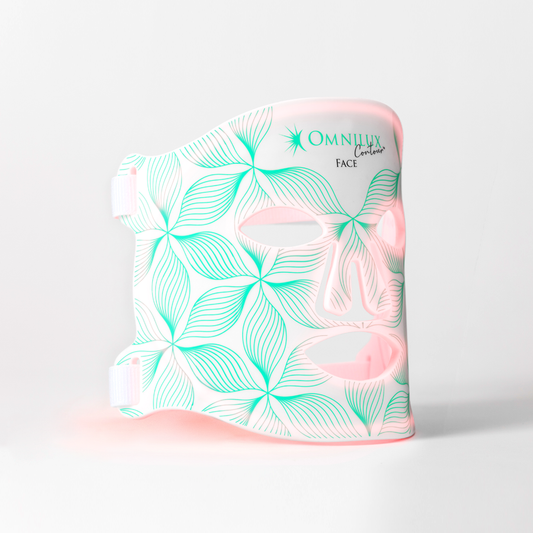
Omnilux Contour
Regular price $605.00Regular priceUnit price per -
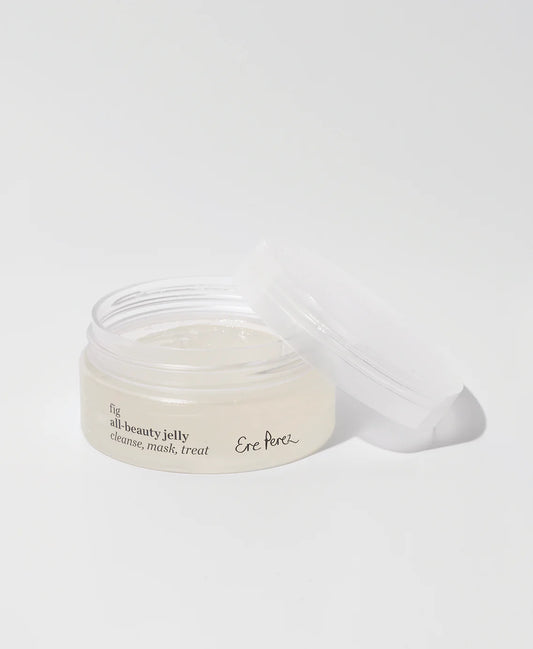
Fig all-beauty jelly
Regular price $60.00Regular priceUnit price per -
Tropical Mango Barrier Repair Mask
Regular price $123.00Regular priceUnit price per -
Papaya SOS marmalade
Regular price $54.00Regular priceUnit price per -
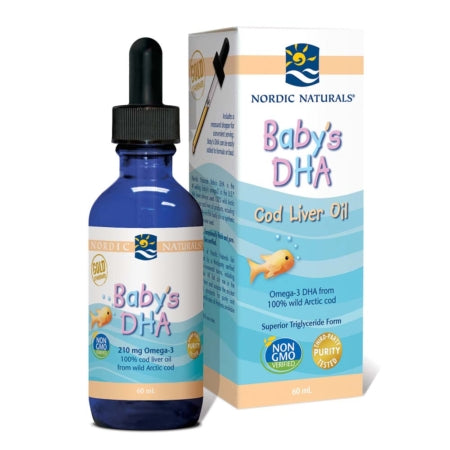
Baby's DHA Cod Liver Oil
Regular price $35.10Regular priceUnit price per -
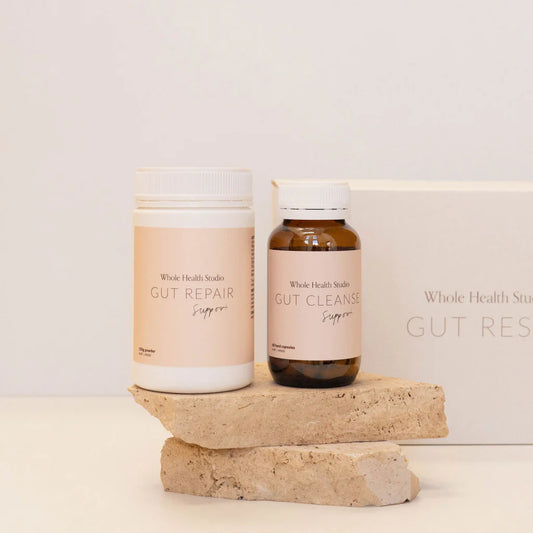
Gut Reset Support
Regular price $89.95Regular priceUnit price per -
Simka Bio-Cellulose Facial Mask (4 Pack)
Regular price $99.00Regular priceUnit price per







Common triggers
Eczema-prone skin can be influenced by a range of internal and external factors, including:
- Fragranced or harsh skincare products that disrupt the skin barrier.
- Genetic factors – Certain genetic variations, particularly mutations in the filaggrin (FLG) gene, can impair the skin barrier.
- Environmental factors such as dust, pollen, changes in temperature, and humidity.
- Stress and poor sleep, which can heighten skin reactivity and slow overnight repair.
- Gut health imbalances and dietary factors that may influence how the skin responds.
- Hormonal fluctuations throughout different life stages.
- Over-cleansing or use of products that strip the skin's natural lipids.
- Hard water and chlorine, which can aggravate barrier-compromised skin.
- Fabric irritants worn close to the skin.
Understanding what influences your skin's reactivity helps guide a more considered and effective approach.
Your eczema-prone skin care routine
-

AM Routine
Morning cleanses can often be skipped with dryer/ eczema prone skin. A splash of warm water or a gentle oil cleanse if needed. Follow with a hydrating mist to prepare the skin, then apply a barrier-supporting moisturiser while the skin is still slightly damp. If the skin is feeling particularly reactive, The Charlotte Calming Cream can be used in place of a regular moisturiser for richer, more intensive barrier support.
-

PM Routine
In the evening, cleanse with a gentle cleanser or oil cleanse. Pat the skin dry. Apply a soothing moisturiser or calming cream to slightly damp skin to help seal in moisture overnight. A few drops of The Grace Face Oil pressed over the top can help support barrier recovery while you sleep. During periods of increased reactivity, simplify the routine to the essentials and avoid introducing new products.


When to see a skin clinician
If your skin is persistently reactive or not responding to a consistent barrier-focused routine, it may be worth a more thorough assessment. Skin reactivity can sometimes be connected to internal factors including gut health and hormonal changes, which Madilyn considers as part of her approach to skin health.
Madilyn and the team at The Functional Skin Studio in Brisbane work with clients experiencing complex and ongoing skin concerns, taking a functional approach to support lasting skin resilience.
If you are experiencing a severe or worsening skin reaction, please consult your GP or a dermatologist for appropriate medical care. We strongly recommend a Naturopath to support your skin health long term.