Skincare for Inflamed & Sensitive Skin
Sensitive and sensitised skin are often confused, but they are not the same and treating them the same way can hold the skin back.
-
Sensitive skin is something you are more likely born with. It is a skin type, where the skin is naturally more reactive and prone to redness, stinging, or irritation from things like weather, products, or internal triggers.
Sensitised skin, on the other hand, is a condition. It can happen to anyone. This is when the skin has become reactive due to external or internal stress, most commonly from overuse of active products, over exfoliation, harsh ingredients, or a compromised skin barrier. -
Both can look very similar on the surface.
You might see redness, burning or stinging, tightness, dryness, or skin that suddenly reacts to products it once tolerated.
The common thread is the skin barrier.
When the barrier is impaired, the skin becomes more vulnerable, more reactive, and slower to repair itself.
Explore The Functional Skin for inflamed & sensitive skin
-
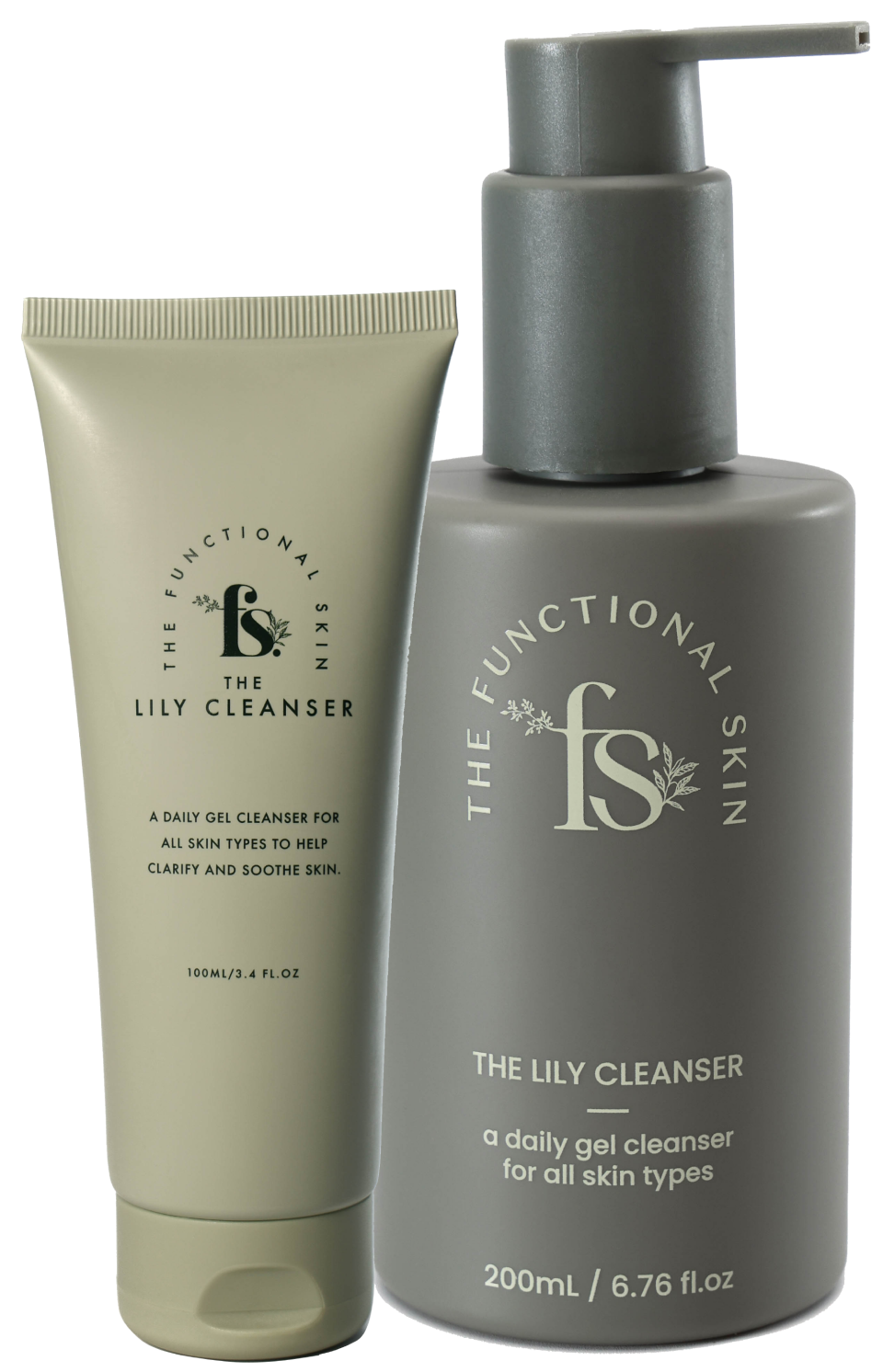
The Lily Cleanser
22 reviewsRegular price From $41.00Regular priceUnit price / perSale price From $41.00 -
The Charlotte Calming Cream
16 reviewsRegular price $61.00Regular priceUnit price / perSale price $61.00 -
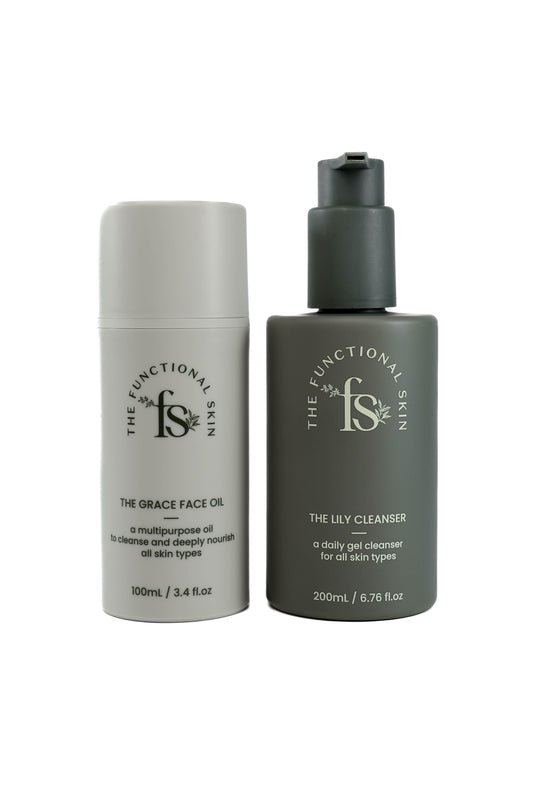
The Ultimate Cleansing Duo
4 reviewsRegular price From $70.00Regular priceUnit price / per$144.00Sale price From $70.00Sale
-
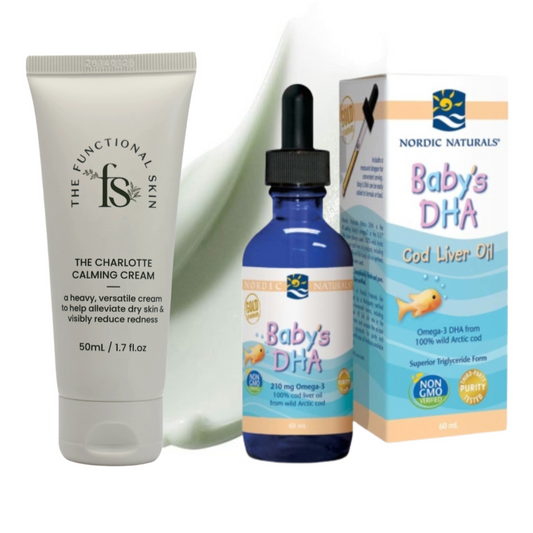
SaleBaby soothing pack
1 reviewRegular price $89.00Regular priceUnit price / per$94.10Sale price $89.00Sale -
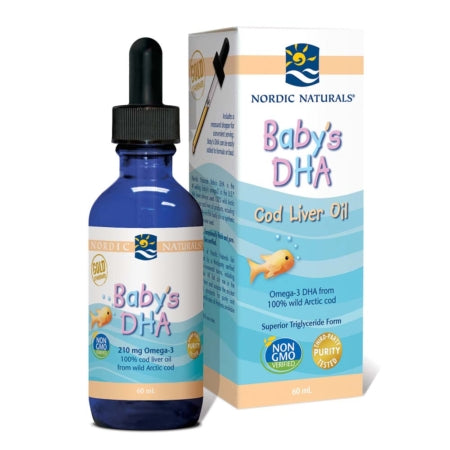
Baby's DHA Cod Liver Oil
No reviewsRegular price $35.10Regular priceUnit price / perSale price $35.10 -
Purifying Bath Tablets
No reviewsRegular price $29.00Regular priceUnit price / perSale price $29.00 -
Shower Purifier Filter Refill
No reviewsRegular price $55.00Regular priceUnit price / perSale price $55.00
Common triggers
Inflamed and sensitive skin can be influenced by a range of internal and external factors, including:
- Fragranced or harsh skincare products that disrupt the barrier.
- Over-exfoliation or the use of too many active ingredients at once.
- Environmental changes including wind, sun exposure, and temperature shifts.
- Stress and poor sleep, which can heighten skin reactivity.
- Gut health imbalances and dietary factors.
- Hormonal fluctuations throughout different life stages.
- Hard water, chlorine, and other environmental irritants.
Understanding what is driving your skin's sensitivity or inflammation helps guide a calmer, more considered routine.
Frequently asked questions
What is the difference between sensitive and inflamed skin?
Sensitive skin is a skin type that tends to react easily to products, temperature, or lifestyle factors. Inflamed skin on the face refers to a more active response, often involving visible redness, warmth, or irritation. The two frequently occur together, and both benefit from a simplified, barrier-focused routine.
What should I look for in the best skincare for sensitive skin?
Look for fragrance-free, Essential oil free, low-tox formulations with soothing ingredients like Oat Kernel Oil, and barrier-supporting lipids. Avoid products with high concentrations of exfoliating acids, synthetic fragrance, or unnecessary additives. Fewer, well-chosen products will always outperform a complicated routine for reactive skin.
What is a good face moisturiser for sensitive skin?
A face moisturiser for sensitive skin should be lightweight enough not to overwhelm the skin, but nourishing enough to support the barrier and provide lasting hydration. The Isobel Moisturiser and The Charlotte Calming Cream are both formulated with this balance in mind, using ingredients that calm and restore without irritation.
Can I use a face oil on inflamed skin?
Yes, provided the oil is non-comedogenic , Essential oil free and formulated for reactive skin. The Grace Face Oil contains Hemp Seed, Rosehip, and Squalane, which help calm visible redness and support barrier repair without clogging pores or aggravating inflammation.
What is the best gentle face wash for sensitive skin?
Look for a cleanser that is pH-balanced, free from sulphates and synthetic fragrance, and uses plant-based surfactants. The Lily Cleanser is formulated specifically as a gentle face wash for sensitive skin, cleansing effectively without stripping or causing tightness.
How long does it take for inflamed skin to settle?
This varies depending on the cause and severity. The skin renews approximately every four to six weeks, and a consistent, simplified routine gives the barrier the best opportunity to recover within that cycle. If inflammation is persistent or worsening, it is worth seeking guidance from a skin professional.
Is this range suitable for eczema and dermatitis-prone skin?
Yes. Several products in this collection, including The Charlotte Calming Cream and The Isobel Moisturiser, have been formulated with eczema-prone and dermatitis-prone skin in mind. We are proud to acknowledge that we are In partnership with The Eczema Association Australaisa (EAA) and the Charlotte Calming Cream is recognised by EAA for suitability on eczema-prone skin.
When to see a skin clinician
Persistent redness, ongoing sensitivity, or skincare for inflamed skin that is not responding to a consistent routine may benefit from a more thorough assessment. Skin inflammation can sometimes be connected to internal factors including gut health, stress load, and hormonal changes.
Madilyn and the team at The Functional Skin Studio in Brisbane work with clients experiencing complex and chronic skin concerns, taking a root-cause approach to support lasting skin resilience.
Newsletter
Subscribe for the latest discounts & skin health tips!